Golden grasses. Twisted trees. Open skies. Wildlife you can actually see.
This is Costa Rica at its most quietly spectacular.
What Is a Tropical Dry Forest?
Unlike rainforests that stay lush year-round, tropical dry forests experience dramatic seasonal shifts:
- Dry season (Dec–Apr): Trees shed their leaves, landscapes turn golden, skies stay brilliantly clear
- Green season (May–Nov): Sudden transformation into vibrant greens with bursts of life
This rhythm creates an ecosystem that is both resilient and incredibly dynamic.
Why It’s So Special (And So Rare)
Tropical dry forests once covered vast areas of Central America—but today, less than 2% remain intact.
In Costa Rica, much of what survives is protected within areas like Santa Rosa National Park—making Guanacaste one of the best places in the world to experience this ecosystem.
Why it matters:
- Supports unique, highly adapted wildlife
- Plays a role in carbon storage and soil preservation
- Offers a completely different safari-like experience compared to rainforests
Wildlife You’re More Likely to Actually See
One of the biggest surprises? Visibility.
Because the forest opens up during the dry season, animals are easier to spot than in dense jungle.
Keep an eye out for:
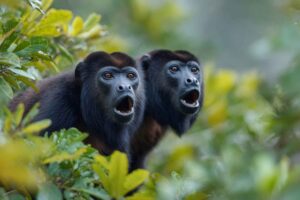
- Howler monkeys (you’ll hear them before you see them)
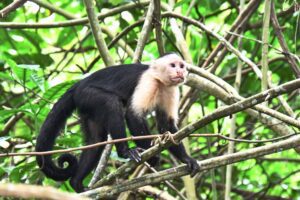
- White-faced capuchins, playful and curious
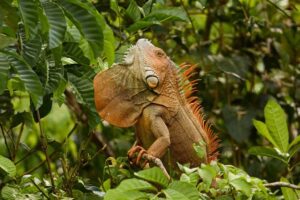
- Iguanas lounging in the sun
- Coatis, raccoon-like and endlessly entertaining
- Deer and armadillos, especially at dawn and dusk
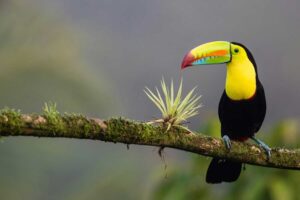
- A wide range of tropical birds, including motmots and parrots
It’s a quieter kind of wildlife experience—less hidden, more observed.
Plants That Thrive Against the Odds
The vegetation here is built for survival:
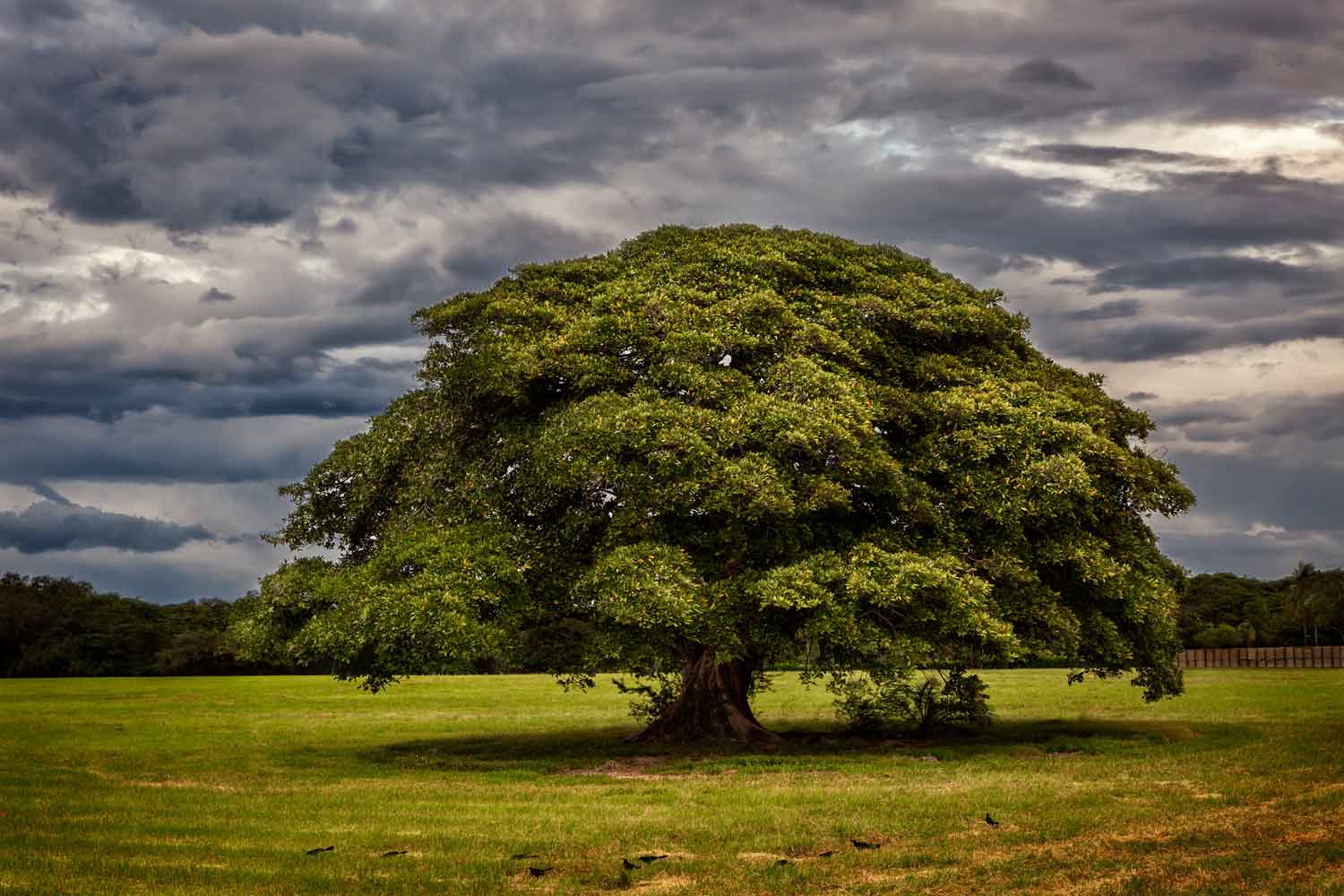
- Guanacaste trees (Costa Rica’s national tree), massive and iconic
- Cortez amarillo, exploding in bright yellow blooms during the driest months
- Pochote trees, armored with thick, thorny trunks
- Shrubs and grasses that regenerate quickly after rains
Many plants store water, drop leaves, or grow protective bark—a masterclass in adaptation.
The Challenges This Ecosystem Faces
Despite its beauty, the tropical dry forest is fragile.
- Deforestation from cattle ranching and agriculture
- Wildfires during peak dry months
- Urban and tourism development in coastal areas
The good news? Costa Rica has made major strides in conservation, and responsible tourism plays a role in protecting what remains.
When Is the Best Time to Visit?
It depends on the experience you want:
Dry Season (Dec–April) — Best for ease + wildlife spotting
- Sunny, hot, and low humidity
- Sparse foliage = better animal visibility
- Ideal for beach + forest combo days
Green Season (May–Nov) — Best for lush beauty
- Landscapes transform into vibrant green
- Fewer crowds
- Occasional afternoon rain (often brief and refreshing)
There’s no wrong time—just a different version of magic.
Why It’s Perfect for Your Guanacaste Stay
The tropical dry forest pairs seamlessly with the lifestyle you’re coming for:
- Morning wildlife walks
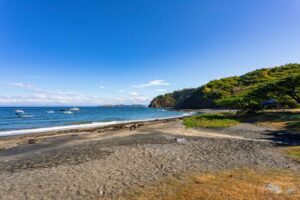
- Afternoons at the beach
- Golden hour like nowhere else
- Wide-open landscapes that feel calm, not crowded
It’s one of the reasons Guanacaste feels so different—and so easy to fall in love with.
Experience It the Right Way
At Elysium, we don’t just book homes—we help you experience Costa Rica fully.
We can arrange:
- Guided nature walks in dry forest reserves
- Wildlife tours tailored for families or photographers
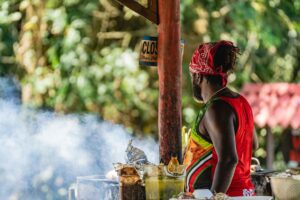
- Day trips that combine forest, beach, and local culture
This is Costa Rica beyond the expected—and we’ll help you see it that way.
Ready to Discover a Different Side of Costa Rica?
The tropical dry forest isn’t just something you visit.
It’s something you notice, slowly—then never forget.
Book your stay with Elysium Properties and let us design your experience, down to the last detail.